
Choosing the right investment service can really shape your portfolio’s future. Seeking Alpha and Motley Fool Stock Advisor both offer stock recommendations and research.
I paid for and tested both. See which one I’ll keep long term.
It’s close, but my tests show that Seeking Alpha takes the win thanks to stronger quantitative analysis and higher-performing stock picks. Motley Fool Stock Advisor offers great picks, too, just without as much depth.
Head-to-Head Ratings
| Ratings | Seeking Alpha | Motley Fool Stock Advisor |
|---|---|---|
| Overall Rating | 4.7 ⭐ | 4.5 ⭐ |
| Stock Picking | ★★★★★ | ★★★★★ |
| Community | ★★★★★ | ★★★★✩ |
| Usability | ★★★★★ | ★★★★★ |
| Portfolio & Research | ★★★★★ | ★★★★✩ |
| Screening | ★★★★✩ | ★★★✩✩ |
| Charts | ★★★★✩ | ★★★✩✩ |
| News | ★★★★✩ | ★★★✩✩ |
| Try | Seeking Alpha | Motley Fool |
Seeking Alpha and Motley Fool Stock Advisor both stack up well in the areas that matter to most investors.
Seeking Alpha packs in robust research tools, advanced screeners, and a pretty lively community of analysts. Meanwhile, Motley Fool sticks to straightforward stock picks, leaning on their strong track record and beginner-friendly advice.
I’d say Seeking Alpha takes the edge with its screening tools and charting features. It’s just better for investors who want to get their hands dirty with stock research and recommendations.
Motley Fool wins on simplicity and consistent, monthly stock picks. They really make it easy to follow along without getting lost in complicated analysis.
You’ll get quality stock ratings and some great ideas for hidden gems on both platforms.
Key Takeaways
- Seeking Alpha shines in research depth and screening, but you’ll need some investing know-how.
- Motley Fool makes stock picking simple, with a solid performance history—great for folks who don’t want to overthink it.
- Both deliver value and market-beating stock picks, just with different approaches.
Summary: Who Wins & Why
Seeking Alpha 4.7⭐ really stands out for investors who enjoy digging into data. I’ve found their Alpha Picks, deep research, quant ratings, broad screening, and portfolio tools are perfect for hands-on folks. If you like crunching numbers and want to double-check every investment, this is your playground.
Motley Fool Stock Advisor 4.5⭐ feels like a better fit for people who just want solid, no-fuss guidance. Their curated picks and straightforward plan make life easier if you’re busy or want actionable advice. It’s an investment newsletter model that works well for long-term investment and retirement planning.
| Service | Best For | Strength |
|---|---|---|
| Seeking Alpha | DIY researchers | Data analysis tools |
| Motley Fool | Time-pressed investors | Simple stock picks |
If you like deep, quant-driven research and want premium picks, go with Seeking Alpha (Premium + Alpha Picks). But if you’d rather keep things simple and get right to the point, Motley Fool Stock Advisor is the way to go.
Both platforms can support different investment strategies—whether you’re a dividend investor or chasing growth.
Seeking Alpha Rating: 4.7/5.0
| Pricing: ★★★★✩ | News & Social: ★★★★★ |
| Software: ★★★★★ | Stock Selection: ★★★★★ |
| Screening: ★★★★★ | Usability: ★★★★★ |
| Features | Rating ★★★★★ |
|---|---|
| Stock Selection | ✔ |
| Broker Integration | ❌ |
| Charts | ✔ |
| Research Reports | ✔ |
| Portfolio Management | ✔ |
| Financial News | ✔ |
| Markets Covered | USA |
| Assets | Stocks, ETFs |
| Free Trial | ❌ |
| OS | Web Browser |
| Price |
The Alpha Picks service really impressed me. It beat the S&P 500 by 3X since 2022. That’s a track record that actually puts many Wall Street ratings services to shame.
Millions of users lean on the platform’s market news and professional analysis to shape their investment strategies.
Pros
✔ Beat the S&P 500 by 300% since 2022
✔ Robust quantitative ratings and grading systems
✔ The Alpha Picks & Premium bundle costs $639 or $53 per month, offering great value for money
✔ Transparent stock-selecting auditing & performance
✔ Deep research & quant database.
✔ A huge and intelligent community.
✔ Follow top-rated audited analysts.
Cons
❌ Pro service is expensive
❌ Few value investing metrics.
❌ Private investing groups are pricey.



Read the full Seeking Alpha Test & Review
Motley Fool Rating: 4.5/5.0
| Pricing: ★★★★★ | News & Social: ★★★✩✩ |
| Software: ★★★★★ | Stock Selection: ★★★★★ |
| Screening: ★★★★✩ | Usability: ★★★★★ |
| Features | Rating ★★★★★ |
|---|---|
| Stock Selection | ✔ |
| Broker Integration | ❌ |
| Charts | ✔ |
| Research Reports | ✔ |
| Portfolio Management | ✔ |
| Financial News | ✔ |
| Markets Covered | USA |
| Assets | Stocks, ETFs |
| Free Trial | ❌ |
| OS | Web Browser |
| Price |
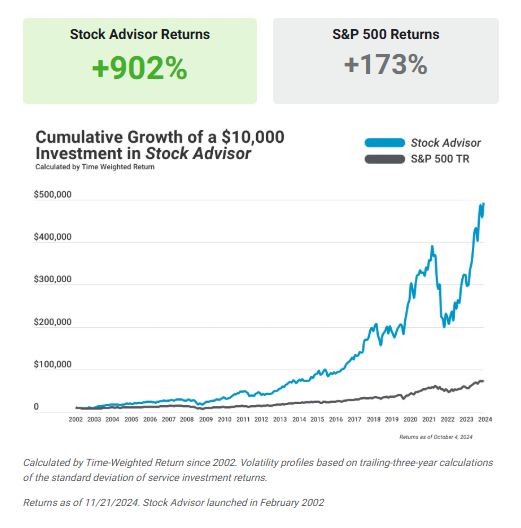
I appreciate being able to see exactly how their picks have performed over time and the proven long-term market outperformance.
Pros
✔ Consistently beats the market over 20+ years
✔ Build watchlists and full portfolios
✔ Very affordable service
✔ Transparent performance tracking
✔ User-friendly website
✔ Large, engaged 700,000+ member community
Cons
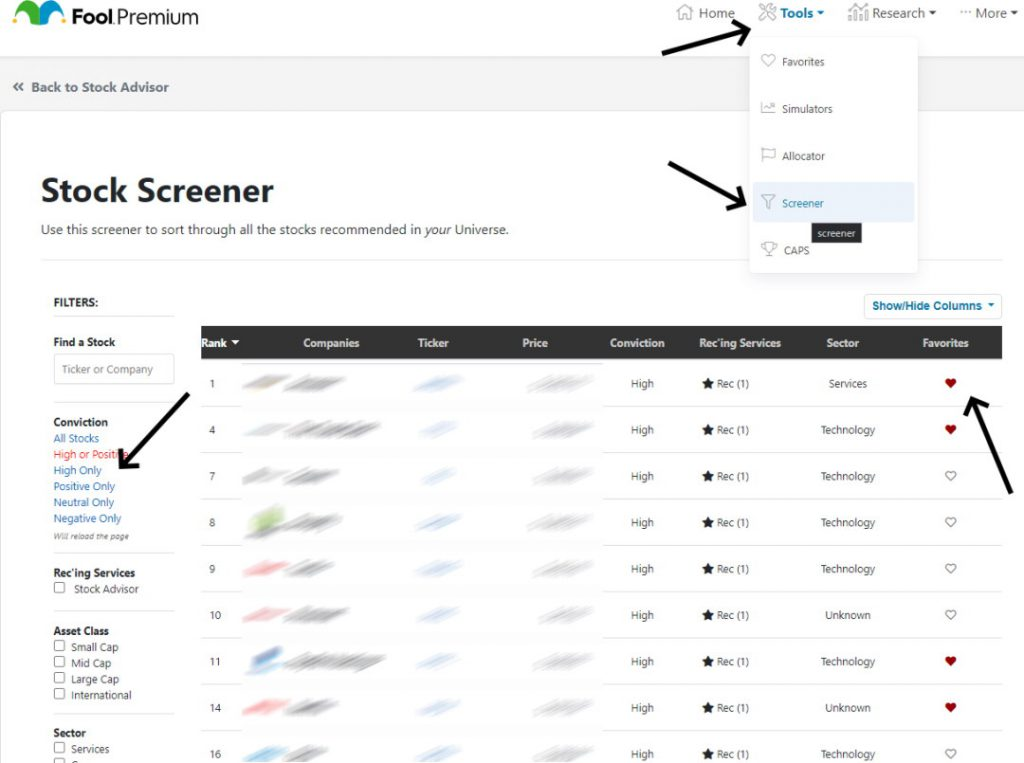
❌ Basic stock screening tool
❌ Original research reports can be hard to locate.
❌ Stock charting is weak.

Read the Full Motley Fool Test & Review
Head-to-Head Features
Both services offer the basics for stock research, but their strengths and styles are pretty distinct. Seeking Alpha offers advanced charting and solid pre-built screeners, so you can filter stocks by a range of criteria. You’ll also find quant ratings and top analysts with actual performance records.
Key Feature Comparison:
| Features/Benefits | Seeking Alpha Picks & Premium | Motley Fool Stock Advisor |
|---|---|---|
| ⚡ Core Features | Charting, Pre-built Screeners, Live Webinars, Community | Basic Charts, Live Webinars, Screener |
| 🏆 Unique Features | Alpha Picks Winning Track Record, Quant Ratings, Top Analysts with Audited Performance | Stock Selection Proven Winning Track Record |
| 🎯 Best for | Stock & ETF Investors | Stock Investors |
| ♲ Subscription | Monthly, Yearly | Yearly |
| 💰 Price | $24 | $41/m | $199-$299/y |
| 💻 OS | Web Browser | Web Browser |
| 🎮 Trial | 7 Day Premium Trial | 30 Day |
| ✂ Discount | -21% Alpha Picks & Premium | 50% Discount $99 |
| 🌎 Region | USA | USA |
Motley Fool keeps things lean: basic charts, a simple screener, and that’s about it. Both platforms run live webinars for education, which is a nice touch. Seeking Alpha stands out for its Alpha Picks track record and community-driven content, while Motley Fool’s strength lies in its proven stock selection from a seasoned team.
Pricing & Value: Tie – 5★ vs. 5★
Both get top marks for value, but for different reasons. It really comes down to what matters most to you as an investor.
Seeking Alpha Premium offers great value when bundled with Alpha Picks. Premium gets you research tools, quant ratings, factor grades, screeners, earnings transcripts, and portfolio management. Add Alpha Picks for curated stock ideas, and you’ve basically got a full investment toolkit.
This bundle does cost more than a single newsletter. But you get access to discovery tools, ranking systems, and validation methods that serious investors will appreciate.
Motley Fool Stock Advisor is a steal for investors who want focused recommendations. You get two fresh stock picks every month, “Best Buys Now” guidance, and straightforward analysis. The service really aims for high-conviction, long-term picks and has the track record to back it up.
| Feature | Seeking Alpha Premium | Motley Fool |
|---|---|---|
| Best For | Research-focused investors | Simplicity seekers |
| Tools | Extensive screening & analysis | Curated picks only |
| Complexity | Higher learning curve | Minimal complexity |
| Price Point | More expensive (bundled) | Lower cost option |
If you’re watching your budget, Motley Fool is the cheaper way in. You get quality picks without the extra bells and whistles.
But if you love research, Seeking Alpha’s premium subscription plus Alpha Picks is a powerhouse combo. You can test ideas across the whole market, build custom screens, and really dig into the data.
These platforms cater to different types of investors. Motley Fool nails the focused, step-by-step plan. Seeking Alpha Premium is a platform you can grow into as you sharpen your research chops.
2. Stock Picking Performance: Tie 5★ vs. 5★
Both services really deliver on stock picking, but their styles are pretty different. Alpha Picks uses data-driven selections, relying on quant signals and factor grades. Motley Fool Stock Advisor zeroes in on high-quality businesses for long-term holding.
Alpha Picks lets you see every angle behind each pick. I can check valuation, growth, and earnings trends before making a move.
Motley Fool Stock Advisor hands you a clear, concise list of what to buy and hold. Each pick comes with easy-to-understand reasons. You get two new recommendations monthly, plus “Best Buys Now” updates.
Here’s how they differ:
- Alpha Picks leans into momentum and lays out the data transparently.
- Motley Fool focuses on businesses with staying power.
- Alpha Picks gives you tools to check the picks yourself.
- Motley Fool just saves you time and does the heavy lifting.
Honestly, many investors use both services. I’ll follow Motley Fool’s core picks, then double-check with Alpha Picks’ framework to size up my positions. It’s a combo that covers a lot of bases.
3. Screening: Seeking Alpha Wins 4★ vs. 3★
Seeking Alpha offers a full-market screener covering the entire universe of stocks. I can filter by fundamentals, dividend data, growth, profitability—you name it. The platform rolls in quant rankings and factor grades so you can quickly whittle down thousands of stocks.

Motley Fool does things differently, with limited discovery tools. You can only screen within their list of covered stocks and recommendations. It’s a smaller, curated universe instead of an open field.
Key Screening Differences:
| Feature | Seeking Alpha | Motley Fool |
|---|---|---|
| Stock Universe | Full market coverage | Limited to Fool coverage |
| Filter Options | Hundreds of metrics | Basic filtering only |
| Quant Ratings | Full integration | Not available |
| Factor Scorecards | Complete access | Limited options |
I love using Seeking Alpha to build custom strategies. I’ll stack filters for profitability, earnings revisions, and valuation to get a solid shortlist. The factor grades and quant rating tools play together nicely.
Here’s my usual process:
- Start with an investment theme.
- Add several filters.
- Check out the factor scorecards.
- Make a final shortlist.
- Dive into the deep analysis.
Motley Fool skips all that complexity. They curate the list for you, which is great if you want to skip the screening work and just follow proven ideas.
For investors who want control over screening, Seeking Alpha absolutely delivers better tools and data.
4. Research & Portfolio: Seeking Alpha Wins 5★ vs. 4★
On stock research and portfolio management, both platforms do a solid job, but their approaches are pretty different.
Seeking Alpha feels like a diagnostic workstation for stock analysis. I can access Quant Ratings that update daily before the market opens, covering around 5,600 stocks. They give me factor grades, earnings call transcripts, and detailed peer comparisons, so I can double-check ideas from different angles.
The financial data is deep, fundamental pages, bull and bear arguments, and a variety of author opinions. Portfolio views show risk, valuation, and factor analysis across all my holdings.
Motley Fool works more like a conviction engine for financial analysis. Their stock reports stick to clear, understandable stories with ongoing updates. The member interface is friendly, with watchlists and alerts that help me keep tabs on long-term picks.
| Feature | Seeking Alpha | Motley Fool |
|---|---|---|
| Research Depth | Quant ratings, transcripts, peer data | Focused reports, thesis explanations |
| Portfolio Tools | Risk/factor exposure analysis | Watchlists, narrative tracking |
| Data Coverage | 5,600+ stocks with daily updates | Curated recommendations |
If you like piecing together evidence and want full-on portfolio management diagnostics, Seeking Alpha is the clear winner.
5. Charts: Seeking Alpha Wins 4★ vs. 3★
Seeking Alpha really stands out for charting. I’d call it the clear winner if you want technical analysis alongside your fundamental research. You get over 160 indicators and overlays, which help me actually see momentum and trend shifts before I make a move.

I like that I can throw on relative strength indicators and moving averages to back up my thesis. These tools come in handy when I’m staging entries or just want to double-check momentum signals before I buy into those strong dividend stocks.
Motley Fool? Totally different vibe. You get basic charting, and the focus is on business fundamentals and long-term compounding—not so much on technical timing tools. It’s a solid fit if you like dollar-cost averaging.
So, what’s your investment style? If you’re after technical confirmation before you buy, Seeking Alpha’s advanced charts give you an edge. If you’re more about regular investing and focusing on company fundamentals, Motley Fool’s basic charts are honestly enough for a long-term plan.
6. News & Market Monitoring: Tie 4★ vs. 4★
Both platforms bring solid news coverage for tracking financial markets and investment news. I’ve noticed they each cater to different kinds of investors.
Seeking Alpha pulls together headlines, earnings notes, ratings changes, and community commentary all in one spot. This setup makes daily monitoring a breeze for anyone who wants broad coverage of ETFs, mutual funds, and commodities. The news flow and alerts keep me in the loop on upgrades, guidance tweaks, and market shifts.
Motley Fool? They treat news as more of a supporting actor than the main event. The service leans hard into long-term thesis building and steady execution, not chasing every headline. For me, it’s a great way to filter out the noise.
Key differences:
- Seeking Alpha: Robust news flow, ratings changes, and lively community commentary
- Motley Fool: News supports their recommendation strategy, but doesn’t drive it
Neither platform tries to be a professional real-time news terminal. They’re both plenty for long-term investors who want to stay aware without drowning in details.
7. Usability & Learning Curve: Tie 5★ vs. 5★
Both platforms get top marks for usability, but they really cater to different user types. Seeking Alpha balances depth with a clean interface that encourages curiosity without overwhelming you. Once you poke around a bit, it just clicks.
Motley Fool, on the other hand, is all about simplicity. The platform gives you a clear “do this next” path, which is perfect if you want to avoid decision fatigue.
Your personality kind of decides which one fits:
- Explorers will love Seeking Alpha’s discovery paths—Top Rated picks, Alpha Picks, screens, peer comparisons
- Action-takers might prefer Motley Fool’s workflow: read the pick, buy, hold, and check back when there’s an update
Time-to-value comparison:
| Platform | Learning Curve | Implementation Speed |
|---|---|---|
| Seeking Alpha | Clean, quick to learn | Useful from day one |
| Motley Fool | Incredibly simple | Fastest for beginners |
Both deliver value right away, but Motley Fool really gets you to your first confident allocation the quickest.
8. Social Community & Analysts: Seeking Alpha Wins 5★ vs. 3★
Seeking Alpha builds a diverse research ecosystem by bringing in independent authors, quant signals, and active comment sections. I get to see both bull and bear takes on the same stock, which helps me make better decisions.
The crowd-sourced content means I can read analysis from all sorts of backgrounds. Some folks focus on technicals, others go deep on fundamentals. Author ratings let me spot contributors with real track records.

Motley Fool keeps things in-house with their analyst team. You get a unified perspective from pros, and their loyal community is all about long-term investing education.
Seeking Alpha Pro unlocks premium research and advanced screening. I find it’s great when I want to challenge my thesis by reading opposing views.
My own style kind of dictates which works better. If I need to see every angle before I’m convinced, Seeking Alpha’s variety is huge. If I’d rather just get consistent, simplified guidance, Motley Fool does the trick.
Key Differences Explained
Seeking Alpha and The Motley Fool honestly couldn’t be more different in how they tackle stock research and recommendations.
Seeking Alpha gives you a full-blown research platform. I get quant ratings with factor grades—Value, Growth, Profitability, and Momentum. You’ll find full-market screening, detailed fundamentals, and valuation metrics. I can compare stocks against peers and dig into earnings transcripts to test my ideas. Portfolio diagnostics reveal risk and factor exposures across all my holdings.
The Motley Fool is all about keeping things simple and clear. Every month, I get two carefully chosen stock picks with straightforward explanations. “Best Buys Now” gives me ideas for immediate action. Their educational updates help me stay the course when the market gets rough.
| Feature | Seeking Alpha | Motley Fool |
|---|---|---|
| Research Depth | Deep quant analysis | Curated picks with explanations |
| Time Commitment | High—expect to screen actively | Low—minimal research needed |
| Market Coverage | Full market screening | Handpicked high-conviction ideas |
| Complexity Level | Advanced tools and metrics | Simple, actionable advice |
Seeking Alpha fits investors who want to do their own digging with pro-level tools. Motley Fool is better if you just want solid recommendations without the heavy lifting.
Final Verdict
Seeking Alpha really stands out as the overall winner, earning a 4.7/5.0 rating for investors seeking a full suite of research tools.
You get ideas, analytics, and diagnostics all bundled together. That’s pretty rare. The platform lets you screen the whole market, lean on quant ratings, and use factor grades—so you’ve got plenty to work with if you like building and testing investment strategies.
Motley Fool Stock Advisor pulls in a solid 4.5/5.0, and honestly, it’s the champ for simplicity.
It’s all about curated ideas and a clear, low-effort process you can stick with year after year.
| Service | Rating | Best For |
|---|---|---|
| Seeking Alpha | 4.7/5.0 | Comprehensive research toolkit |
| Motley Fool | 4.5/5.0 | Simple, curated approach |
So, which one’s right for you? It really comes down to your working style.
If you’re the type who wants to grow into deeper research, Seeking Alpha’s probably your best bet.
But if you’d rather focus on compounding without all the complexity, Motley Fool is tough to beat.
Honestly, using both might be the smartest move. Clarity from Motley Fool mixed with diagnostics from Seeking Alpha—that’s a combo that could set you up nicely for long-term investing.
